Leading Branding & Advertising Company RYBO
Corporate Identity
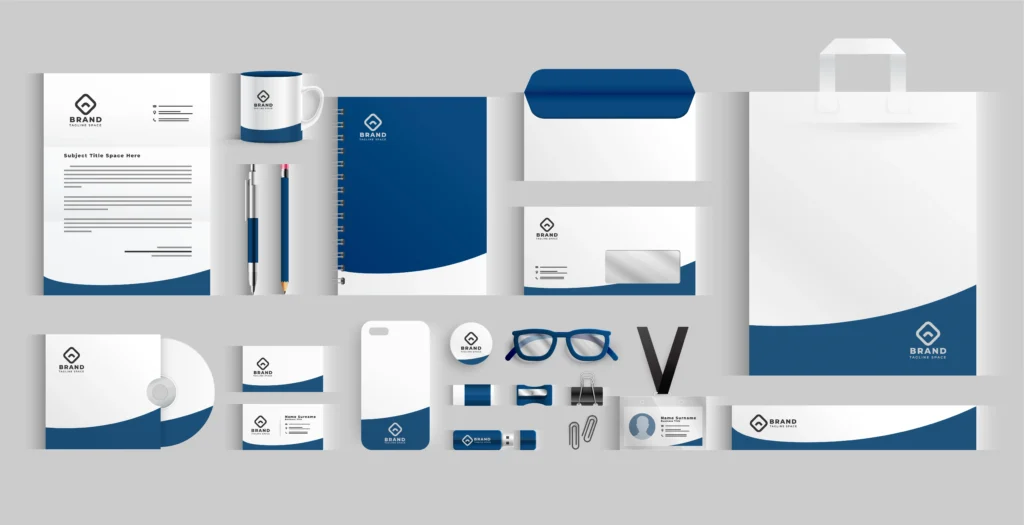
Corporate identity refers to the visual and verbal representation of a company’s image, values, and personality. It encompasses the entire range of elements that collectively form a company’s public persona, including its logo, marketing materials, and overall brand message.
A well-crafted corporate identity can help a company establish a strong brand presence and create a lasting impression on its target audience. By presenting a cohesive and consistent image across all platforms and communications, a company can build trust and credibility with its customers and stakeholders.
Elements of a corporate identity can include typography, color scheme, graphic design, and messaging. These elements work together to create a unique and recognizable brand identity that sets a company apart from its competitors.Overall, a strong corporate identity is a critical component of a successful branding strategy. It communicates a company’s values, builds trust with customers, and helps differentiate it from its competitors in the marketplace.
Logo Design
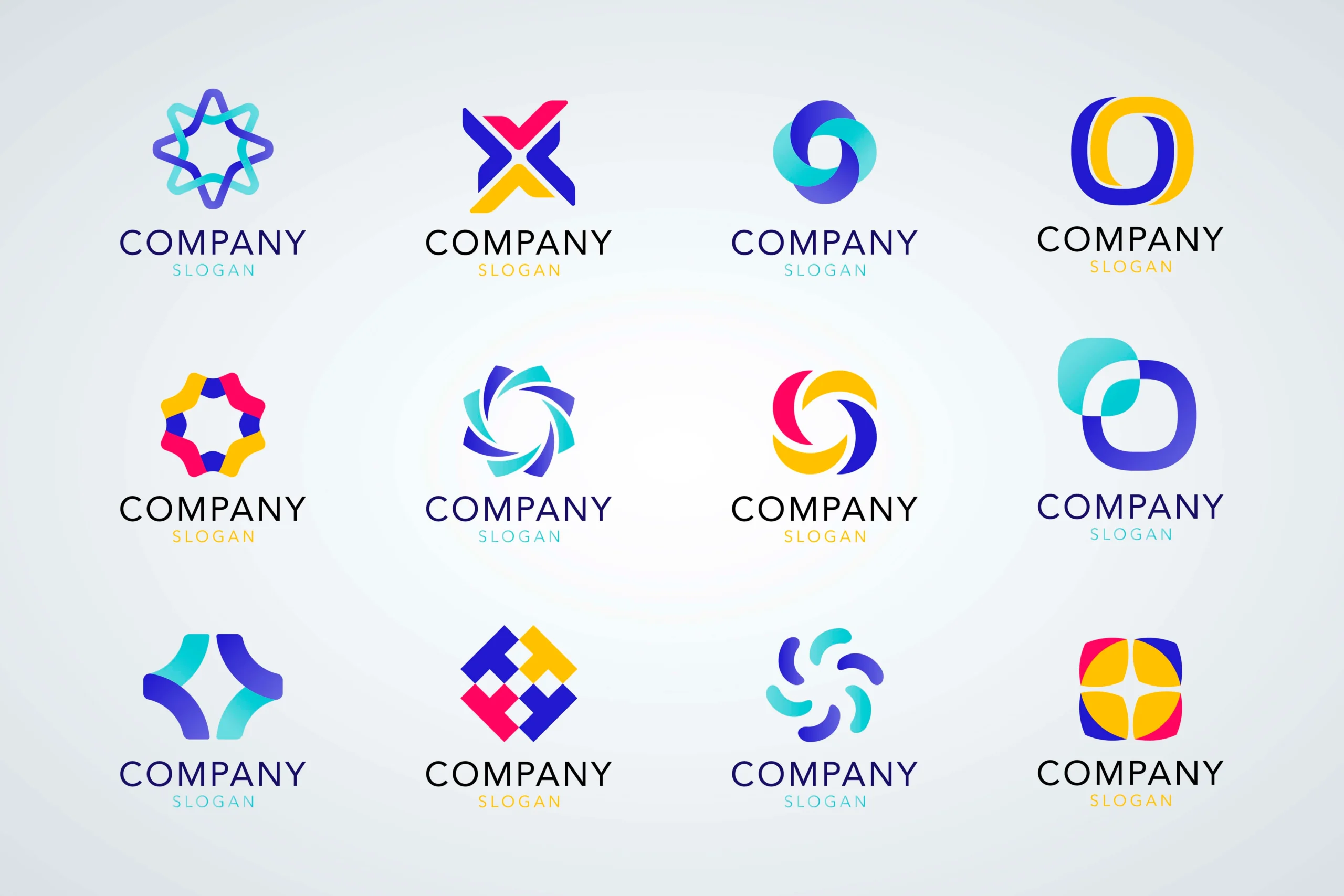
A logo is more than just a visual representation of a company. It’s a symbol that embodies the company’s values, personality, and mission. A well-designed logo can create a lasting impression on customers and set a company apart from its competitors.
The process of logo design involves a careful balance of creativity and strategy. It requires a deep understanding of the company’s brand and target audience, as well as an ability to translate that understanding into a simple yet memorable image.
An effective logo should be simple yet versatile, able to be used across a variety of mediums and sizes without losing its impact. It should also be unique, avoiding clichés and trends in favor of a timeless design that can withstand the test of time.
The color palette used in a logo is also crucial, as colors can convey emotions and associations that can impact how customers perceive a brand. A skilled designer will take into account the psychology of color and use it to create a harmonious and effective color scheme.
Brochure Design
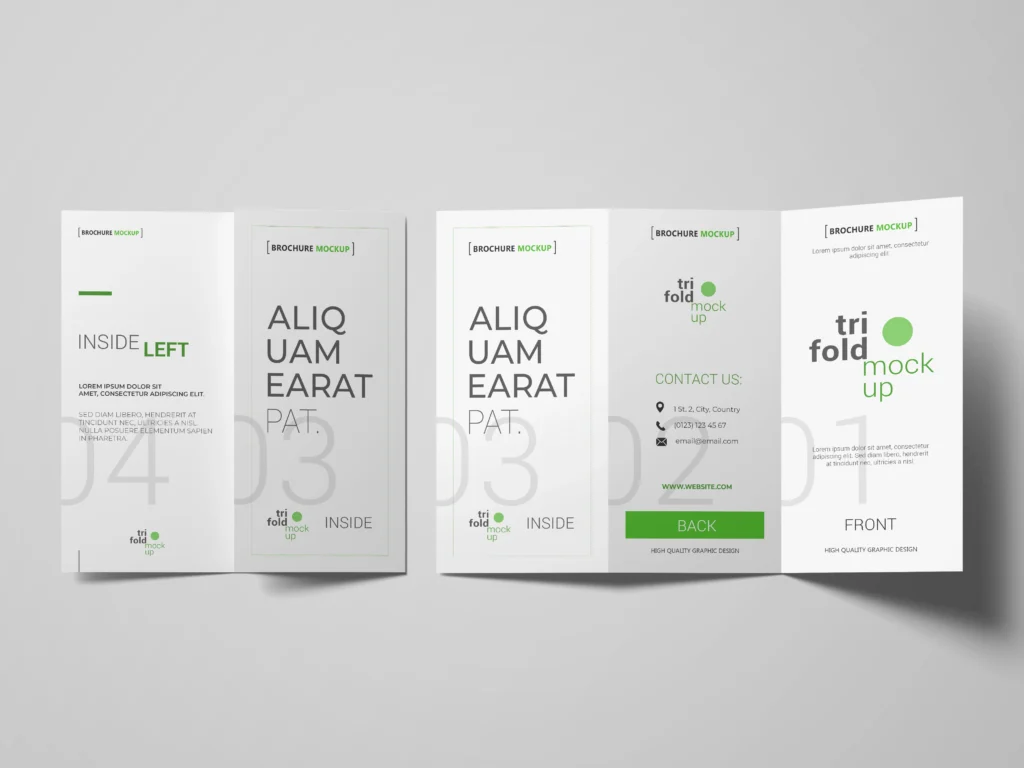
A well-designed brochure can be a powerful marketing tool that captures a potential customer’s attention and draws them in. It’s an opportunity for a company to showcase their products or services in a visually compelling and informative way.
Brochure design involves a careful balance of creativity and practicality. It requires an understanding of the company’s brand and target audience, as well as an ability to translate that understanding into a design that effectively communicates the desired message.
An effective brochure should be visually appealing and easy to read, with clear and concise messaging that speaks directly to the customer’s needs and desires. The design should also be consistent with the company’s branding, incorporating the same colors, typography, and imagery that is used in other marketing materials.
The layout of a brochure is also crucial, with careful consideration given to the hierarchy of information and how it is presented. The designer must strike a balance between text and imagery, ensuring that each element complements the other and helps to tell a cohesive and compelling story.
Unlock Your Brand's Potential
Amplify Your Brand with Our Proven Marketing Strategies. Engage, Convert, and Grow Your Audience. Contact Us for Custom Digital Marketing Solutions!
Banner & Flex Design
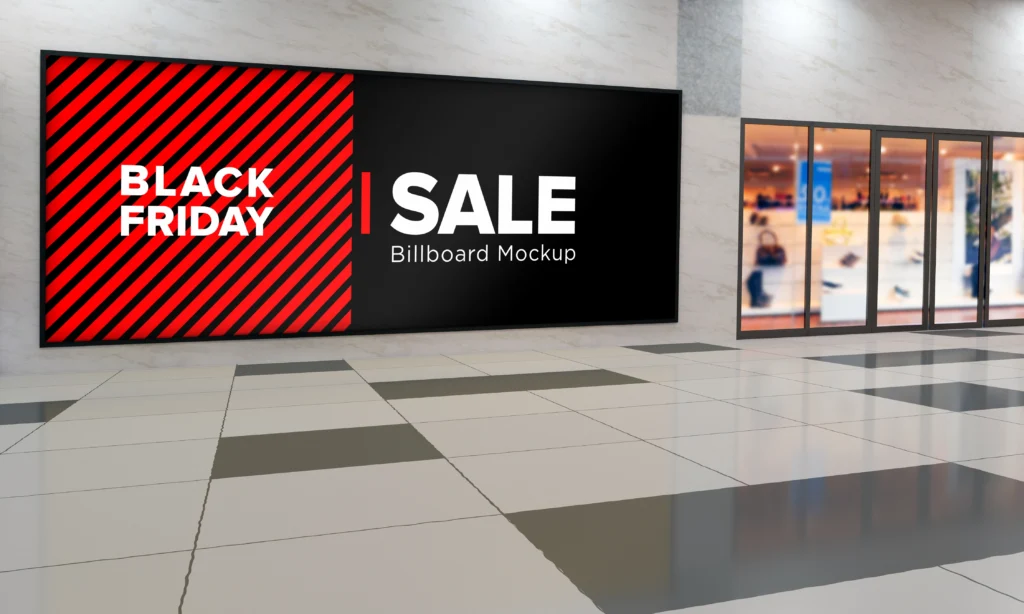
Banner and flex design is an essential aspect of any marketing campaign, whether it’s for a small business or a large corporation. It’s a way to grab the attention of potential customers and convey a message in a clear and concise manner.
The process of banner and flex design involves a deep understanding of the target audience and the message that the company wants to convey. The designer must be able to distill complex ideas into a simple and visually appealing design that will resonate with the audience.
An effective banner or flex design should be eye-catching, with bold colors and striking imagery that captures the viewer’s attention. It should also be easy to read, with clear and concise messaging that quickly and effectively communicates the desired message.
The layout and composition of the design is also crucial, with careful consideration given to the hierarchy of information and the flow of the design. The designer must strike a balance between text and imagery, ensuring that each element complements the other and contributes to the overall message.
Video Creation
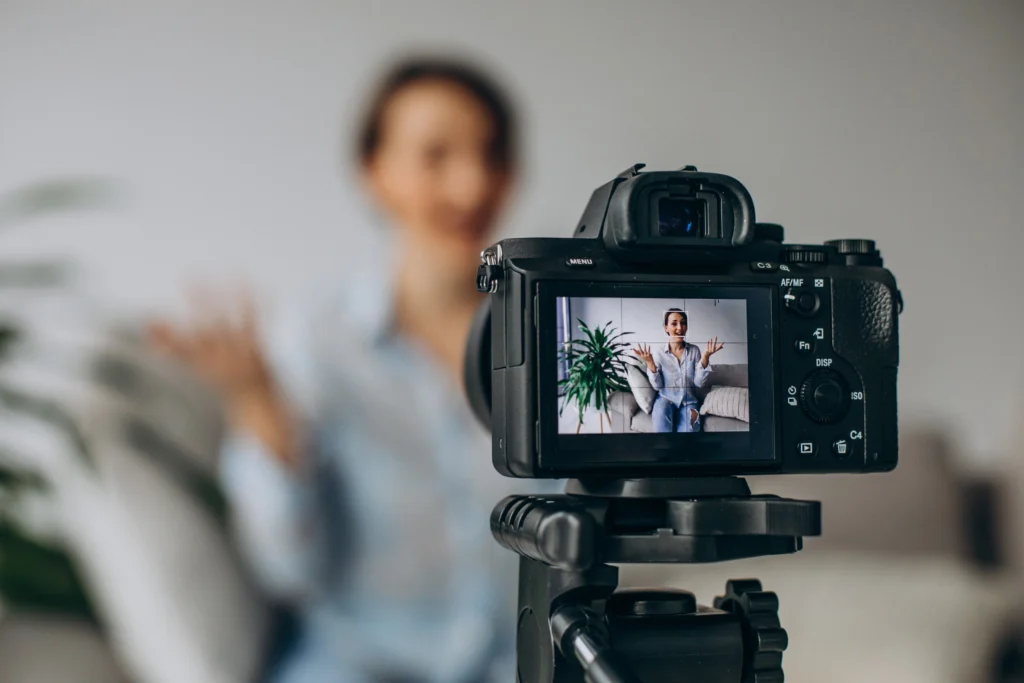
Video creation is a process that involves conceptualizing, planning, shooting, editing, and distributing videos. It is a complex process that requires a team of professionals with different skill sets to work together towards a common goal.
The first step in video creation is the conceptualization stage. This is where the idea for the video is generated and a script is written. The script will outline the story, setting, characters, and dialogue of the video.Once the script is complete, the planning stage begins. This involves determining the logistics of the shoot, such as the location, equipment needed, and actors or talent required. The planning stage is crucial to ensure that the shoot goes smoothly and according to plan.
The shooting stage is where the video is actually filmed. This requires a team of professionals, including a director, camera operator, sound technician, and lighting technician, among others. The shooting stage can take anywhere from a few hours to several days, depending on the complexity of the shoot.After the shooting stage is complete, the editing stage begins. This is where the raw footage is cut and pieced together to create a cohesive and visually appealing video. This stage requires a skilled video editor who can manipulate the footage to bring the script to life.
Work With Us

We love nothing better than sharing what We have learned with those who are eager to grow. If this sounds like you, we need to connect
Our Expertise
Google Ads Consultant | PPC Consultant | SEO Expert in India | SMO Expert in India | Social Media Marketing | Email Marketing Consultant | Website Development | Branding & Marketing | Lead Generation| B2B & B2C Marketing | Start Ups Marketing |
Our Experts are Certified By